How to Plan a Team Building Event Your Coworkers Will Actually Enjoy
Team building has earned its eye-rolls. For a lot of people, the phrase conjures forced fun, awkward icebreakers, and trust falls nobody asked for. The good news is that none of that is inevitable. A thoughtful plan completely changes the experience, turning a dreaded obligation into a day people genuinely look forward to.
This guide lays out a clear, step-by-step process for planning a team building event your coworkers will actually enjoy. From setting a goal and gathering input to budgeting, picking activities, and handling logistics, each step is designed to make the day feel fun and worthwhile rather than forced.
Why Most Team Building Falls Flat
Most bad team building events share the same root problem: no real plan behind them. They lean on intimidating or hyper-competitive activities that put quieter people on the spot, or they fill a day with filler that feels like a chore. Everyone can sense when something was thrown together.
The difference between a great event and a wasted afternoon almost always comes down to intention. When organizers think through who is attending, what they enjoy, and why the event exists, the day clicks. The steps that follow are simply a framework for being that intentional from the start.
The difference between a great event and a wasted afternoon is a real plan.
Start by Defining Your Goal
Every good event starts with a clear purpose. Before booking anything, decide what you actually want the day to accomplish. Are you trying to improve communication, boost morale after a hard quarter, welcome new hires, or simply reward the team? That answer shapes every decision that follows.
A simple way to sharpen that purpose is to answer the five W questions before you plan anything else. They force clarity, keep the event focused, and give you a way to measure whether it actually worked once the day is over. Use the quick reference below as your starting point.
- Why: the purpose of the event, such as better communication, higher morale, or welcoming new hires.
- Who: how many people are attending, and their roles, comfort levels, and any accessibility needs.
- What: the type of activity and overall format that best fits your goal and your group.
- When: the date, day of week, and time, balanced against workloads and people's schedules.
- Where: the location or venue, including whether to stay on-site or head somewhere off-site.
Ask Your Team What They Want
Guessing what your team wants is a gamble, and the stakes are a whole day of everyone's time. A short, anonymous survey takes the guesswork out, revealing real preferences, physical comfort levels, dietary needs, and what people actually hope to get out of the day together.
Asking early does more than gather data. It signals that the event is being built with coworkers, not at them. That small act of involvement creates a genuine sense of ownership, and people who help shape an event show up with far more enthusiasm than those simply told to attend.
Set a Realistic Budget
A realistic budget keeps your plan grounded and prevents awkward surprises later. Start by listing every likely cost, then total it before you commit to anything. Knowing your real number upfront tells you which activities and venues are actually on the table and which ones to set aside.
Most team building budgets break down into a handful of predictable categories. Account for each one as you plan:
- Venue or activity fees, including any per-person or group rates
- Food and drinks, whether catered, dined out, or self-provided
- Materials or equipment needed for the activity itself
- Transportation or travel between the office and the venue
- Vendor or facilitator costs, plus a small buffer for extras
Once you have a total, be honest with vendors about your spend. Many will work within your range or offer flexible packages, especially for groups, so a candid conversation often unlocks options you would not find on a public price list.
Choose Activities Everyone Can Enjoy
Activity selection is the heart of the whole plan, the part coworkers will remember long after the day ends. The goal is to keep everyone comfortable and engaged regardless of personality or fitness level. Two simple principles below help you choose activities that genuinely work for the whole group.
Choose activities that keep everyone comfortable and engaged.
Balance Energy and Downtime
A great day has rhythm. Mix active, energetic challenges with calmer, low-key moments so people are not running at full speed for hours. Pair something lively with quieter downtime and a shared meal, giving everyone a chance to recharge, talk, and actually connect between the bigger activities.
Keep It Low-Pressure
The best team building feels engaging, never intimidating. Favor activities that let people collaborate in small groups rather than perform solo or get singled out in front of everyone. Removing the pressure to compete or be put on the spot is what lets quieter coworkers relax and join in.
Pick the Right Venue
Where you hold the event matters more than people expect. Hosting somewhere off-site, a fast-growing trend in corporate events, helps people mentally clock out of work mode and relax. Away from desks and meeting rooms, coworkers drop their usual roles and engage more openly with each other.
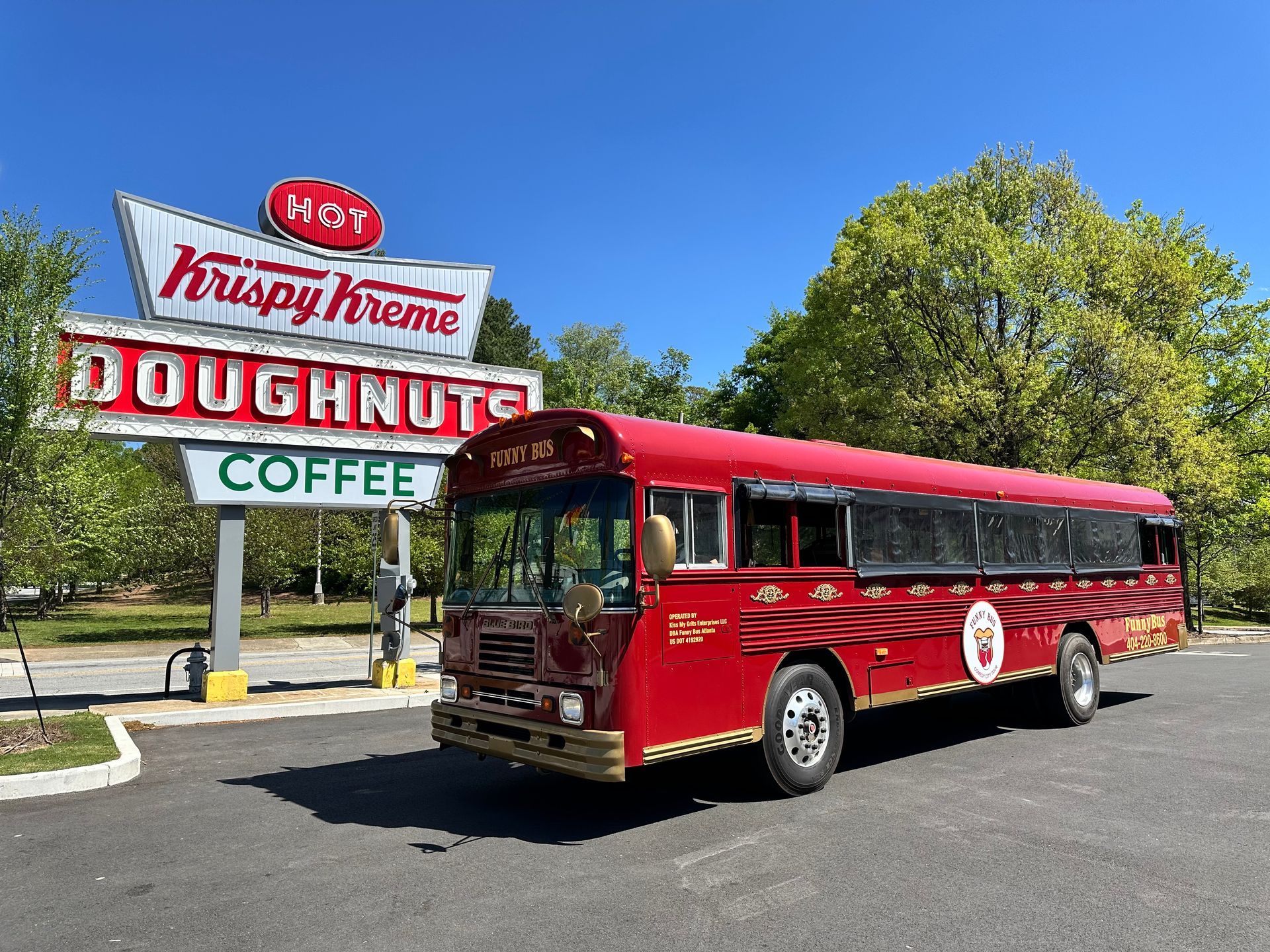
The right setting also makes the day feel organized and easy to navigate, which lowers stress for everyone. A guided off-site experience like a public Funny Bus tour handles the structure for you, so the venue, the route, and the flow of the day are taken care of from start to finish.
Handle Logistics and Communication
Even a perfect plan can unravel without clear communication. Tell people what they need to know well in advance so nobody shows up confused or unprepared. Sharing the key details early also gives hesitant coworkers time to ask questions and warm up to the idea of the day.
Cover these logistics in your communication ahead of the event:
- Dress code and what to wear for the activity and weather
- Transportation details, parking, and where to meet
- Start and end times, plus the rough schedule for the day
- Any equipment, food, or personal items people should bring
Just as important, invite questions ahead of time. A quick note encouraging people to reach out with concerns helps even the most reluctant attendees feel prepared, which goes a long way toward getting genuine buy-in before anyone boards a bus or walks through the door.
Consider a Comedy Bus Tour
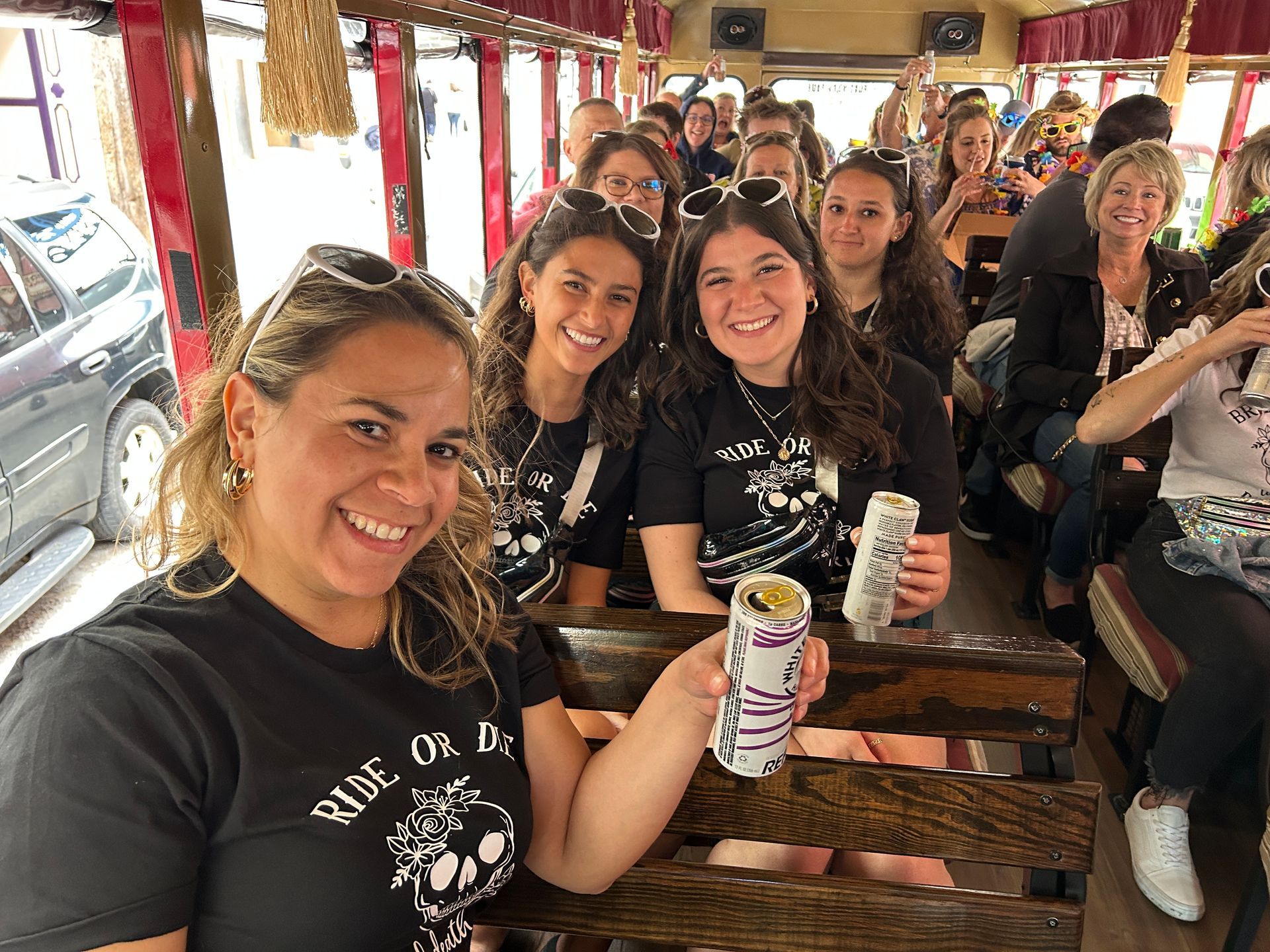
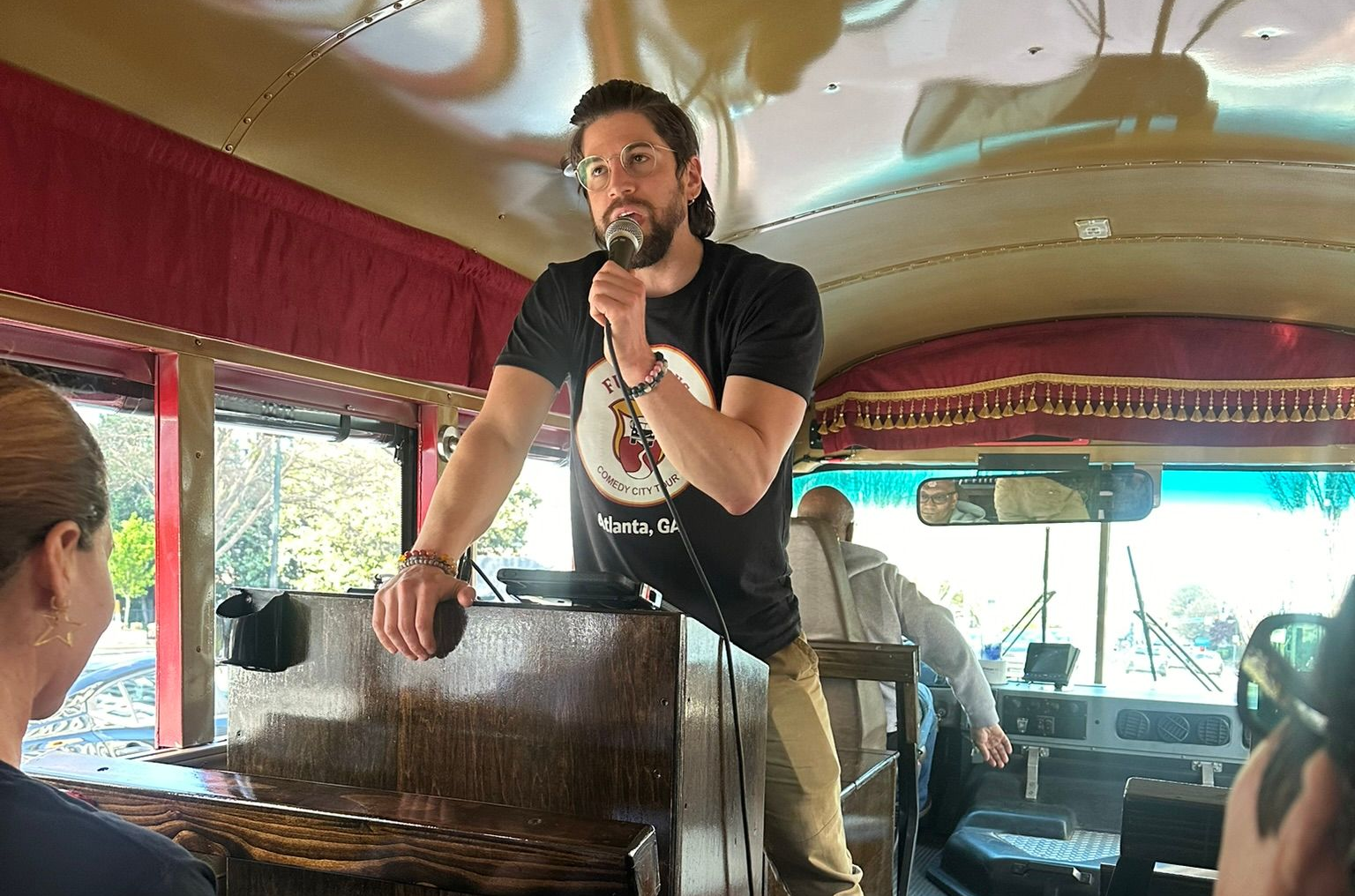
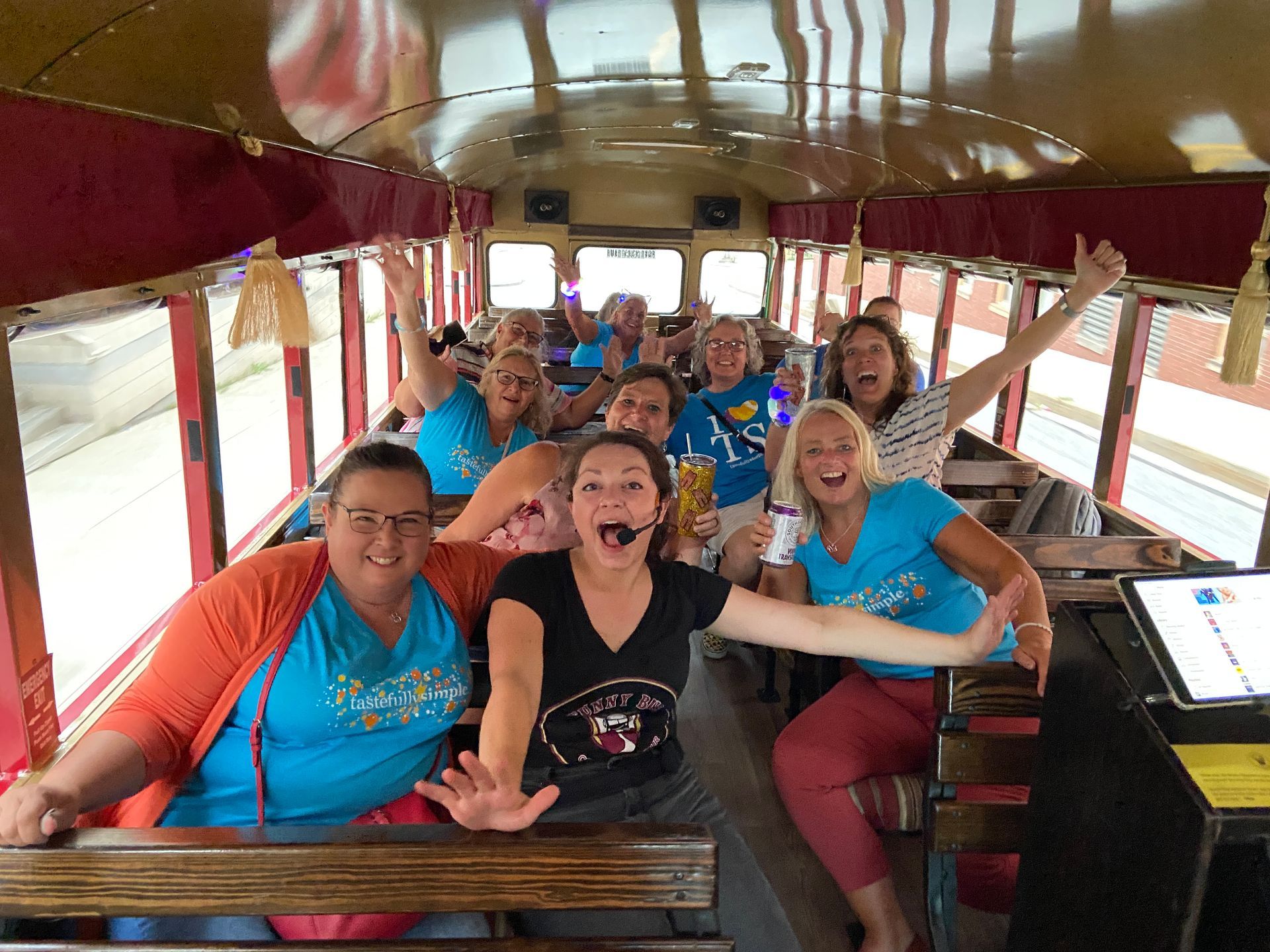
If all of this planning sounds like a lot, there is a refreshingly hands-off option. A comedy bus tour solves many of these headaches at once: a 90-minute, BYOB ride led by local comedians, available in Atlanta, Charlotte, and Cleveland. It needs almost no organizing effort on your part.
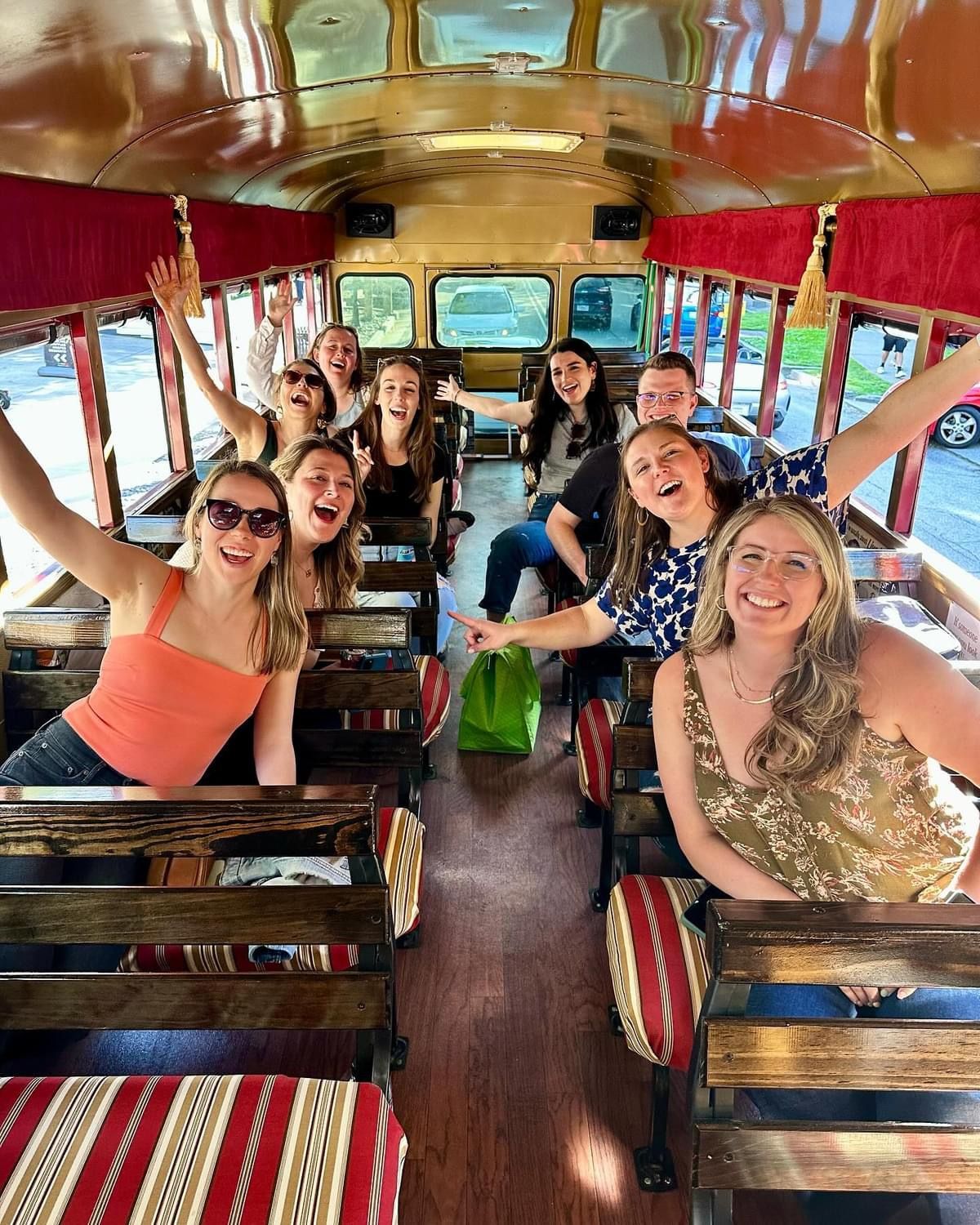
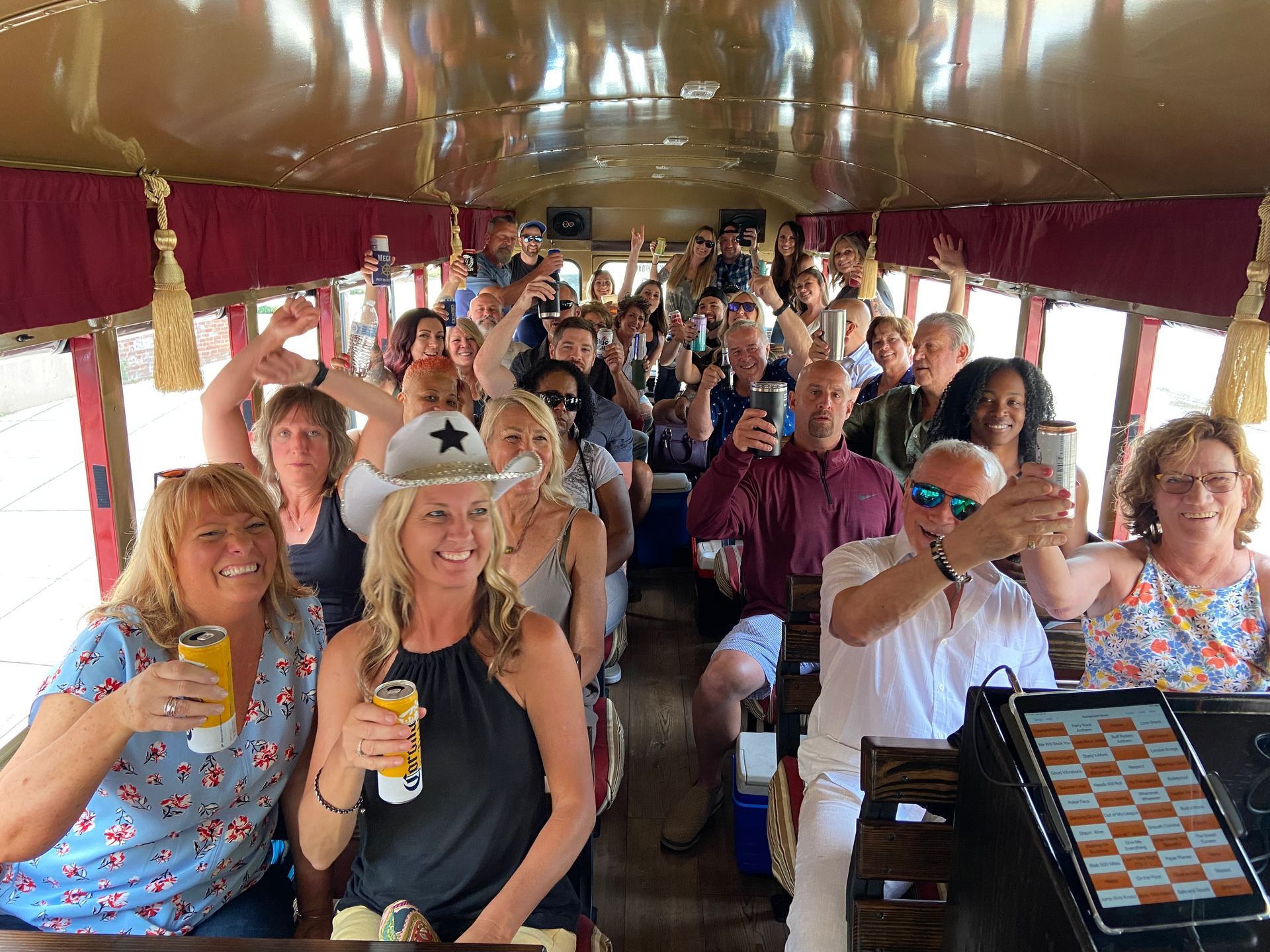
A comedy bus tour brings easy, shared laughs with almost no planning.
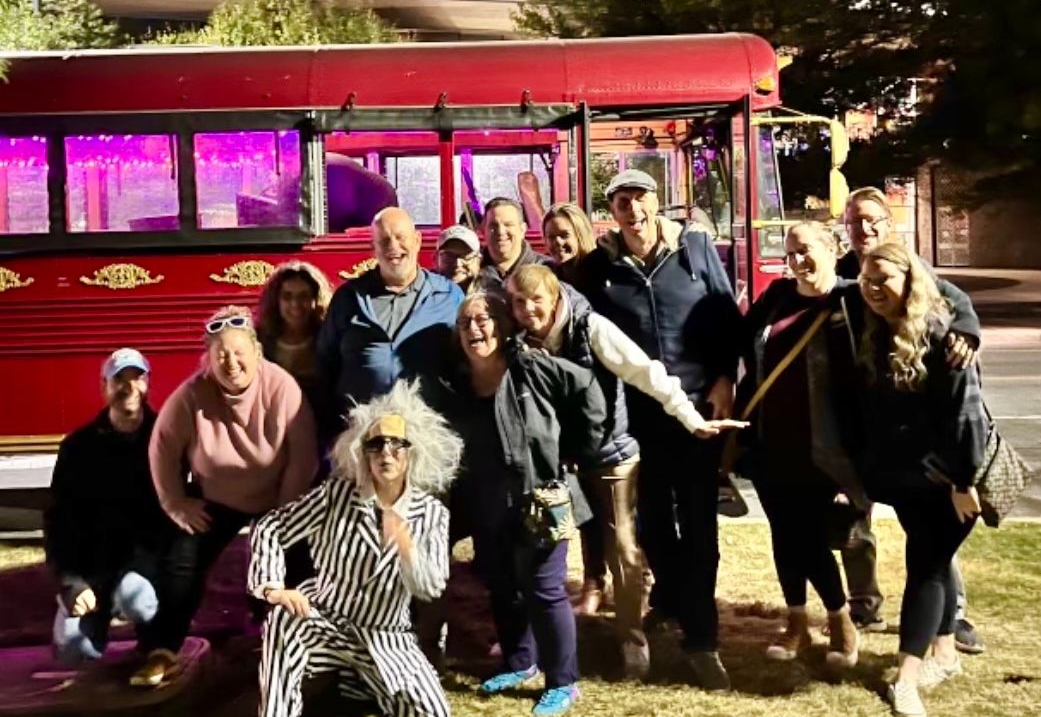
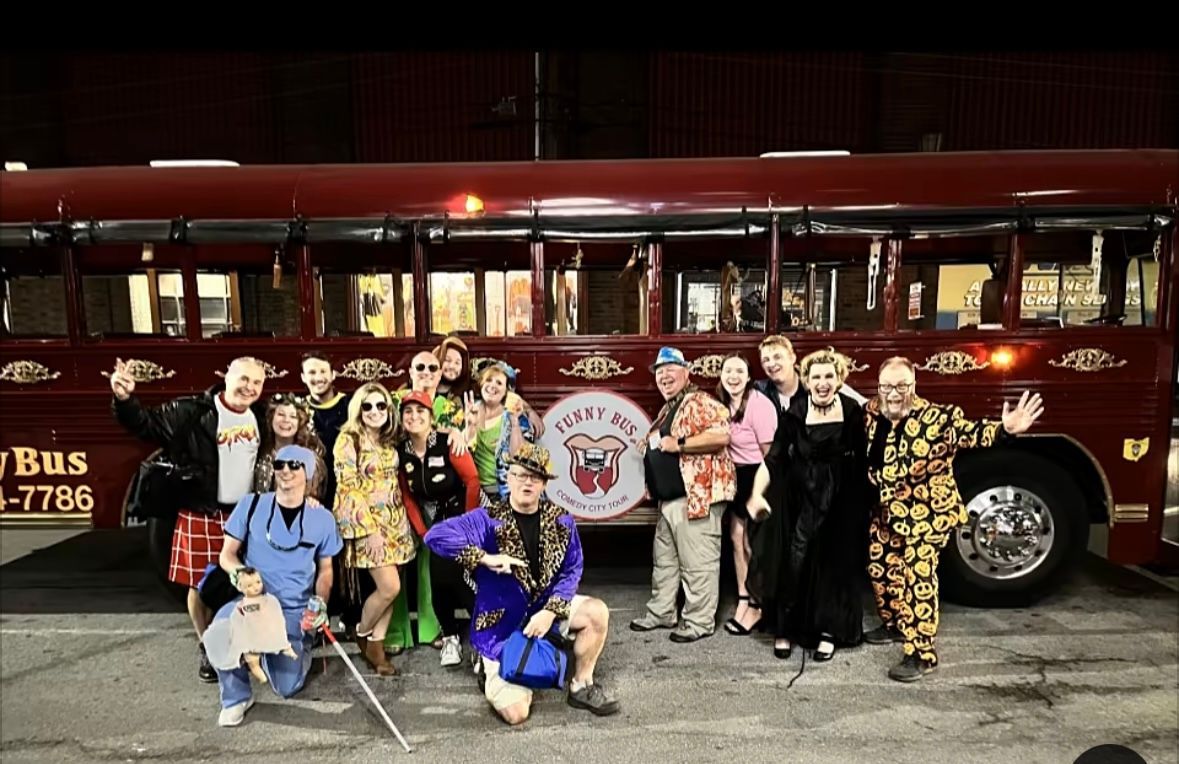
It suits all activity levels and creates easy, shared laughs without anyone feeling put on the spot. For workplace groups, private group bookings come with a dedicated coordinator who handles the details, making it one of the simplest team building options a busy organizer can possibly choose.
Ready to Plan an Event They'll Love?
Whatever you choose, following these steps will help you plan a day your team actually enjoys rather than endures. Start with a goal, listen to your coworkers, and pick an experience that fits who they are. The rest tends to fall into place once the foundation is right.
A comedy bus tour is a fun, low-effort way to bring everyone together when you want results without the planning marathon. Have questions about group sizes, dates, or options? Reach out to the Funny Bus team and start planning an event your coworkers will genuinely look forward to.